
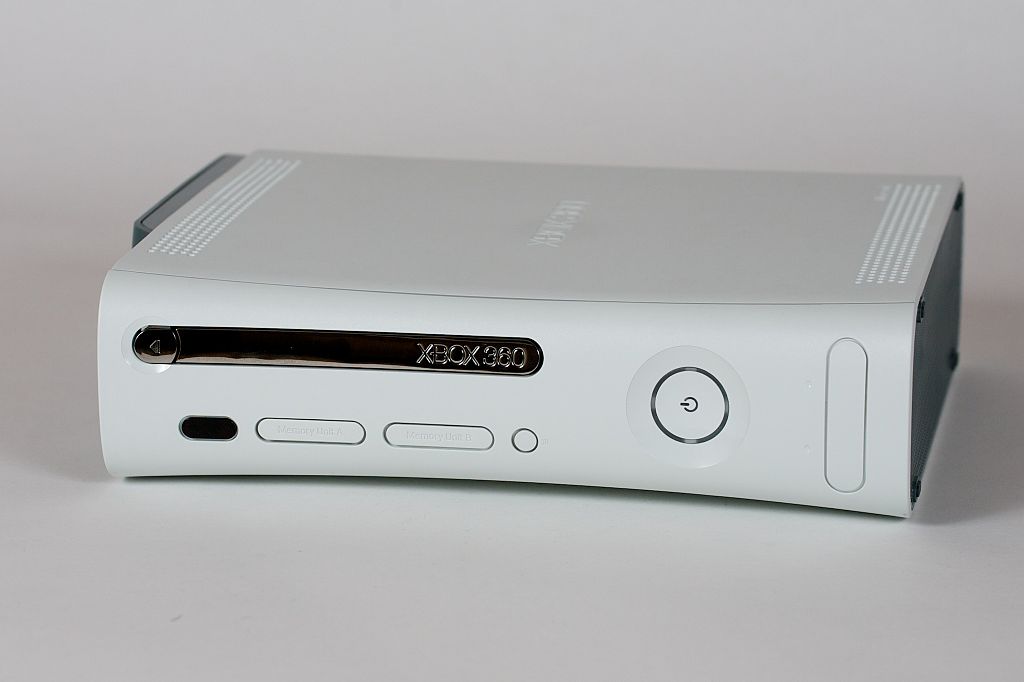
The Xbox 360 game console, originally released on Nov 22, 2005, was not only a gaming juggernaut, it also introduced a number of technical innovations that we take for granted today. Microsoft’s second-generation hardware introduced innovations that not only impacted the gaming industry, but were adopted in other areas of consumer electronics as well.
On this special anniversary, I wanted to share some of these innovations.
Fun fact: You can still play many Xbox 360 games online, including Gears of War 1, 2, and 3, and certain Call of Duty titles.
HD gaming
The original Xbox was capable of 1080i, but 1080p is the resolution we use when we mean “HD.” Xbox 360 was the first system capable of HD resolution output in games at launch, and that didn’t change until 2016 and 2017 when the PS4 Pro and Xbox One X allowed for 4K gaming.
Platform identity and gamification
Before 2005, game achievements were here and there but the 360 was the first to standardize these across the entire platform and tie achievements to your gaming profile (the “Gamertag). This persistent identity is the reason Playstation copied the feature with Trophies. The sum of your achievements became your Gamerscore. It extended the life of a game beyond the traditional story, and it allowed you compete with your friends on Xbox Live.
Eurogamer and IGN both note how multi-platform games like Call of Duty 4, Halo 3, and Mass Effect built experiences around unlocks and milestones primarily because the 360 made them matter across games. Today we expect this, but at the time it was revolutionary.
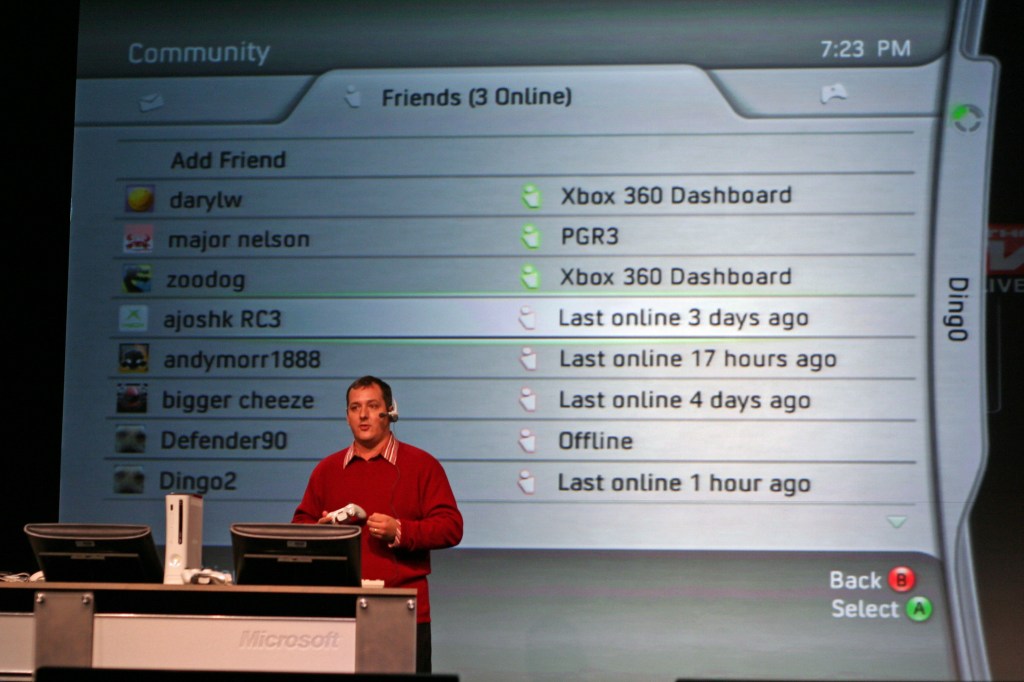
Persistent transportable profile
Your identity could also come with you across hardware. Prior to this, your gaming identity was entirely based on memory card saves. If your console broke, all you could do was insert the memory card into a new system. But the Gamertag identity could be downloaded onto a new 360 system or follow you to the next-generation platforms like Xbox One and Xbox Series X/S. This included not only your achievements, but your digital game library thanks to backward compatibility. This was the social graph before Facebook.
Cloud saves
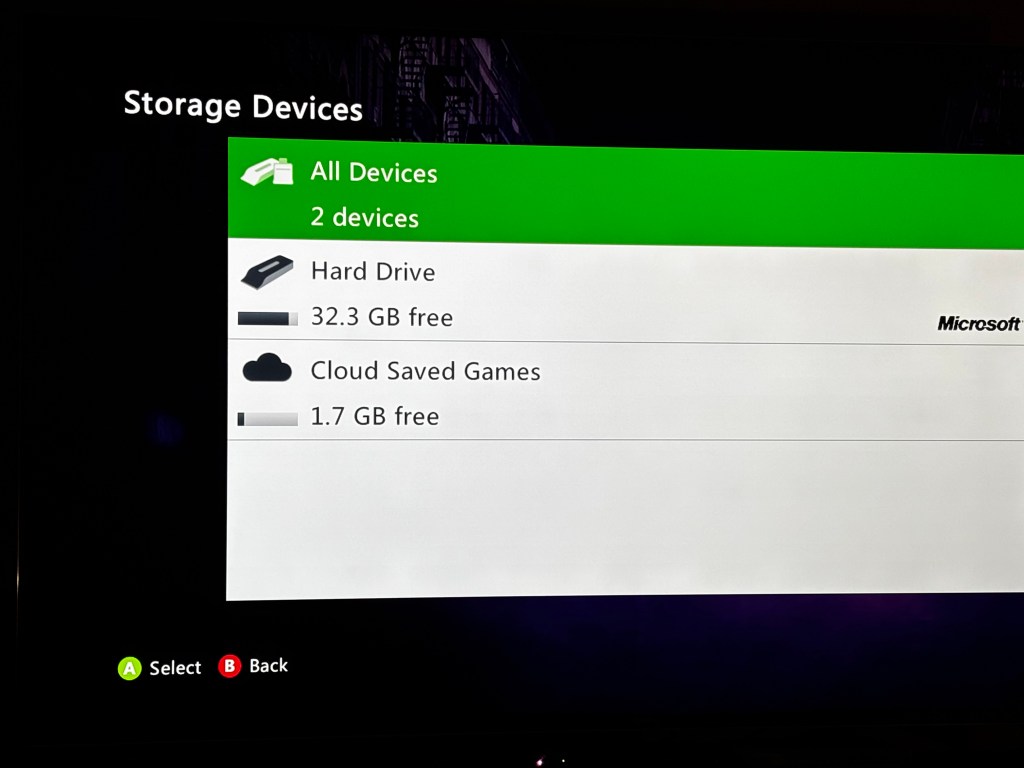
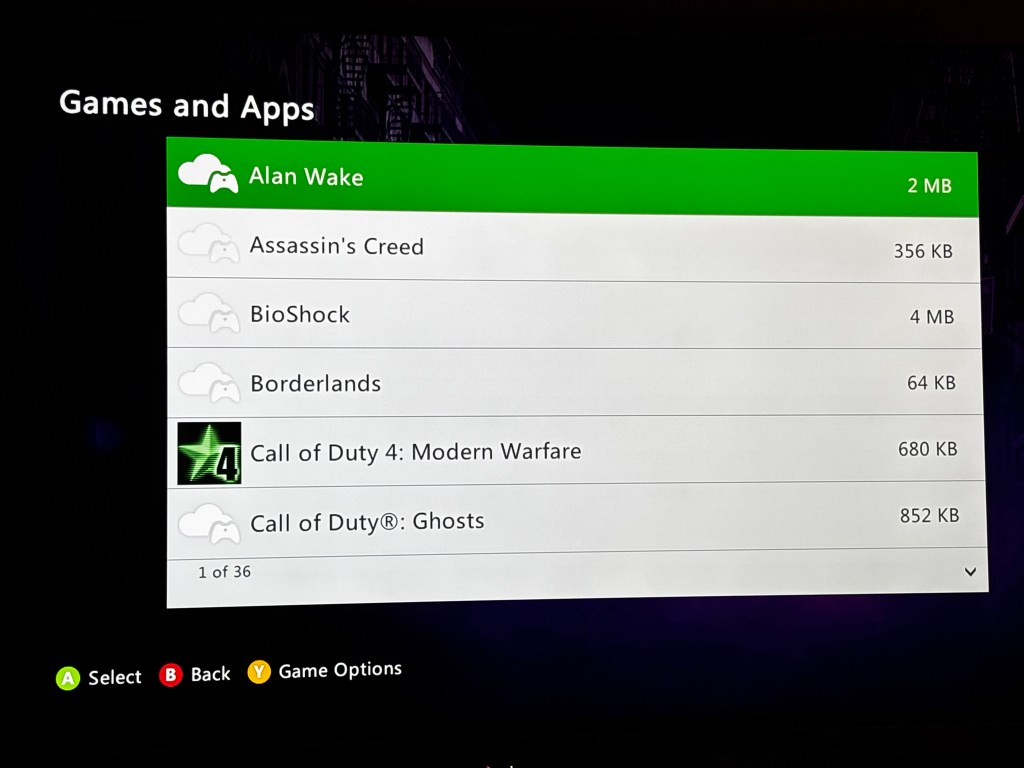
As part of your gaming identity, all your save games could be backed up to the cloud. At the time, people didn’t even know what the “cloud” meant. The original Xbox (launched in 2001) pioneered the built-in hard drive, removing the need for expensive memory cards.
The Xbox 360 carried on this trend, but also allowed gamers to back up saves to the cloud so they could be re-downloaded and follow them across console generations.
I still have cloud saves that date back to 2009. Today, I can plug in any Xbox console, pop in my game, sync my save data, and continue where I left off.
Interview: The Xbox 360 Turns 20 – Unlocked 717 (interview with Larry Hyrb)
Party chat and cross-game voice
As part of this social gaming layer, party chat allowed players to have voice conversations as part of the core Xbox system, even if you weren’t playing the same game. This “hangout space” was again copied by Sony.
Blades dashboard
The Xbox 360 got many dashboard iterations over the years, but first “Blades” iteration was a masterpiece of UX design. It was flashy, but it was fast, clean, easy to navigate, and put your online identity and community (friends) at the centre of the experience
Digital marketplace
Today, digital games are expected. In many respects, physical disc games seem antiquated. (Outside of console gaming, where else do you go to buy a piece of software on disc or cart?) Xbox’s Major Nelson (Larry Hryb) noted in an interview that the Xbox 360 Marketplace and Xbox Live Arcade were the first digitally curated app stores, before the iPhone.
New games are now available digitally and physically on release. Back then, big games like Halo 3 (2007) were physical-only releases, only being made available as full digital downloads years later in 2010. It took a while for the infrastructure to support the download of large first-party games. The 360 was the first console to seriously court indie developers and hobbyists, creating a pipeline of devs who later drove the modern indie boom. Games like Braid, Geometry Wars, and Super Meat Boy were small and therefore easy to download, yet their impact on indie gaming was massive. Xbox 360 was the first system to highlight smaller titles in its online platform, representing a shift toward experimental gaming.
Documentary to watch: Indie Game
DLC
Downloadable maps and additional content did exist on the original Xbox, but the 360 greatly expanded the capability. It added season passes, live-service updates, cosmetic micro-transactions, and ongoing multiplayer content. For better or worse, DLC took off starting on the 360.
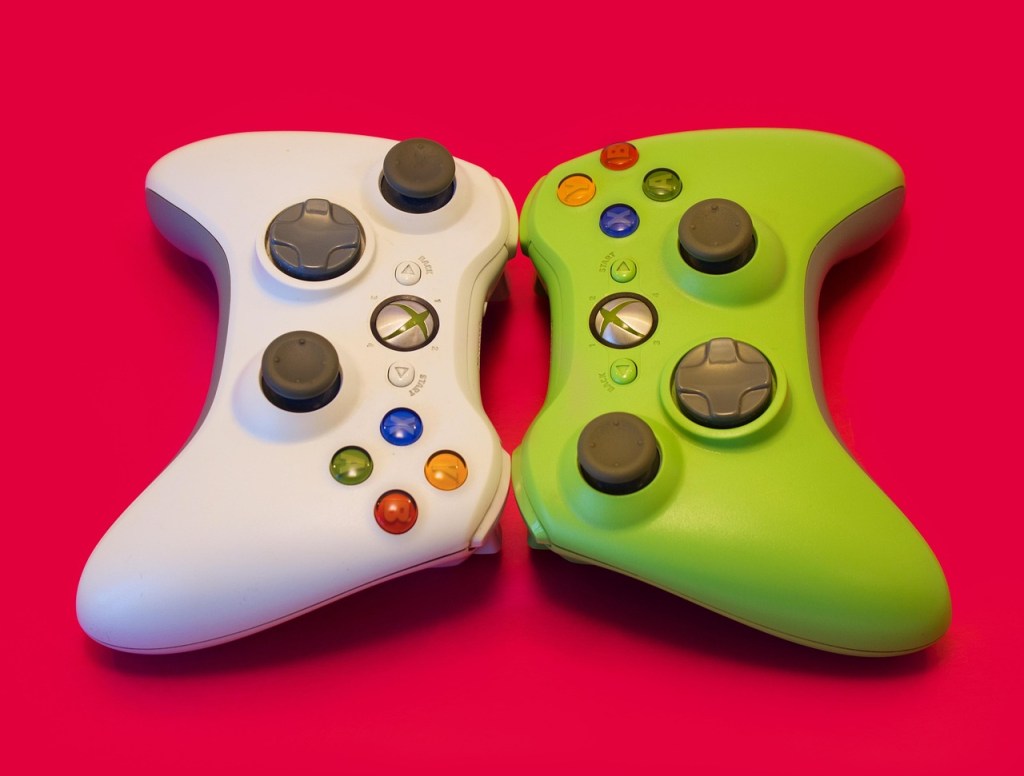
Wireless controllers by default
The 360 arrived at the right moment when Netflix and digital media were taking off. Microsoft’s decision to embrace third-party media apps turned the Xbox into the first mainstream home streaming device that the whole household could use.
Since users expected wireless remotes for their TV, wireless controllers just made sense.
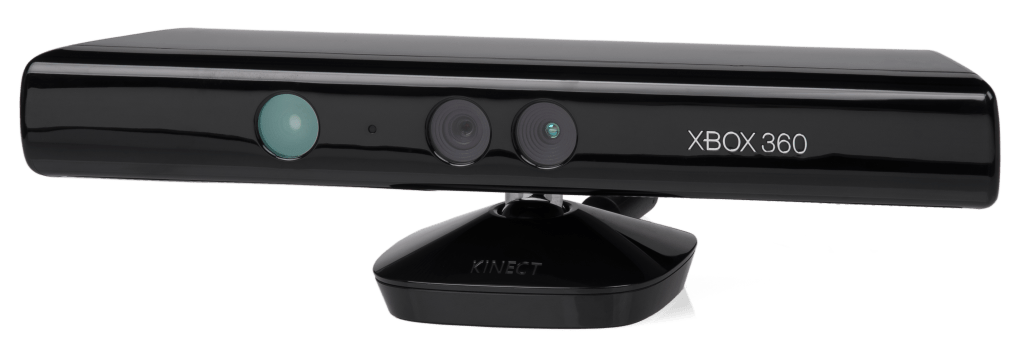
The Kinect
Unlike the Wii, which required remotes for motion-controlled games, the Kinect used computer vision for interaction. It even became used in academic research. The Kinect’s contributions are numerous: it made depth cameras (like we see in phones now) mainstream; AR and VR were highly influenced by the tech; it inspired hobbyist robotics and tracking systems; and it was the first natural-language voice control for consoles (hello Alexa and Siri).
Red ring of death: How to treat a customer well
The Red Ring of Death was a heat issue that plagued all first-generation Xbox 360 systems. This was not the innovation, but Microsoft’s response to the crisis was an innovation in taking care of customers.
Users who experienced the problem contacted Microsoft. Then Microsoft sent them a FedEx box to send in their console. It was repaired or replaced and sent back to the user. Many users did this more than once. It cost Microsoft over 1.1 billion dollars, but it saved the brand.
Conclusion
If you strip the nostalgia away, the Xbox 360 is basically the prototype for every modern console.
It invented (or normalized) the connected, identity-driven, digital-first, socially persistent model we now expect from PlayStation, Nintendo, Steam, and PC ecosystems. It also introduced a variety of hardware standards we’ve come to expect in consumer electronics. Almost every convenience we take for granted as “standard” today came from the 360 era.
If you’ve got an Xbox 360 tucked away somewhere, fire it up this week. You’ll be surprised by how well it’s aged, and it’s a great reminder of how far ahead it really was.
 Erik Christiansen
Leave a comment